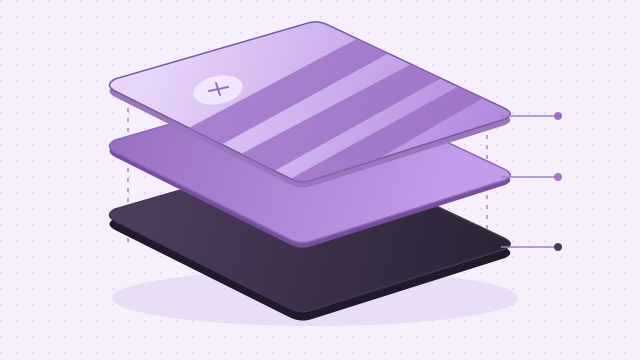
Build a layer record
List the working face, any printed or protective layer, bonding system and backing. Ask the supplier to identify the construction for the proposed sample. If a field is unknown, leave it open rather than assuming cloth, foam or rubber from a familiar product photograph.
Photograph the sample face, underside and edge with its identity visible. Those images help both sides discuss the same item, but appearance alone does not establish composition. Keep material declarations and other required documents linked to the sample.
If the layer record shows one sheet, use the single-sheet review. If the working face and backing are separate, use the laminated pad review. Ask for both samples only when the two options can answer a specific question in your brief, such as desk movement or edge feel.
Evaluate the complete item
Test the sample with the intended mouse models on a representative desk. Keep tracking, glide preference, movement on the desk and edge contact as separate observations. A material that looks right may still need a different print or backing configuration to satisfy the project. Any proposed change should be recorded and reviewed before approval.
If printing is part of the order, review the finished printed sample. A plain material swatch is an early reference, not the complete item the buyer will receive. Check small text, important colours and the printed working surface together with the functional tasks.
Choose the wording after choosing the sample
The approved product description should match the actual construction. Do not describe a multi-material item as solid PVC or claim a particular backing without confirmation. Similarly, a sample that works with the tested mouse does not prove compatibility with every mouse.
For a useful inquiry, send the desired working face, backing preference, dimensions, edge preference, mouse models, artwork and quantities. Newlane can review the proposed supply route, available sample and missing information before confirming a quotation.
Layer schedule for the proposed sample
| Layer | Function to check | Material and thickness source | Sample link and open point |
|---|---|---|---|
| Working face | Mouse contact, friction and glide | Supplier layer record and sample measurement | Face photo and sample ID. Ask which layer contains PVC. |
| Print or protective layer | Artwork placement and surface finish | Marked proof, process note and supplier thickness data if available | Link art revision and printed proof. Confirm whether print changes the contact surface. |
| Bonding system | How applicable layers are joined | Supplier description for the proposed construction | Link the same side-view sample. Confirm whether a separate bonding layer exists. |
| Backing and edge | Desk contact and edge feel | Supplier backing record and side-view measurements | Record material and edge finish individually. Leave missing information open. |
Frequently asked questions
Can a cloth top be called solid PVC?
No. Describe the actual layers accurately; a category name must not replace the confirmed construction.
Does the main site guarantee a rubber backing?
No. Backing material is a requirement to review for the selected sample and order.