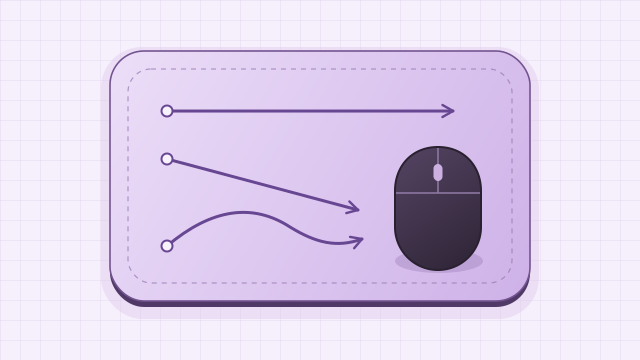
Record the baseline and task order
Record the mouse and connection, device settings, operating system or app, desk surface and sample IDs. Define a fixed order of samples and actions. Give each action a repeat count and an observable result so another reviewer can follow the same sequence.
Log one change at a time when possible
Give each trial an ID and timestamp. If a setting, sample, mouse or operator changes, write the exact change and its reason before continuing. Repeat the same tasks under the new baseline. Keep incomplete or interrupted sets separate and note why they were stopped.
For example, Trial 02 can use the same mouse, app, sample and tasks as Trial 01, with sensitivity changed from the recorded baseline to the requested user setting. Compare those two trials when reviewing the setting change. Give a new desk surface or replacement sample its own row.
Carry the tested conditions into the decision
Summarise the finding using the trial IDs and baseline, include unresolved exceptions separately. Record who decided and which approved sample or setup the decision applies to. Leave a copy of the procedure with the approval so a later reviewer can repeat it after a change.
Reusable tracking protocol
| Protocol field | Fill in before or during the trial |
|---|---|
| Devices and settings | Mouse model, connection, pointer settings, system and task app |
| Setup and order | Desk, reference surface, sample IDs and trial sequence |
| Action details | Tasks, repeat counts and agreed observation criteria |
| Change log | Trial ID, time, one changed condition and reason |
| Result and exceptions | Recorded observations, interruptions, decision and reviewer |
Frequently asked questions
Must the same person run every trial?
A consistent operator helps comparison; if several people participate, record them and use the same procedure.
Does repeatability make it a certification?
No. It makes the internal comparison more useful; certification requires the appropriate independent process and evidence.